
The World
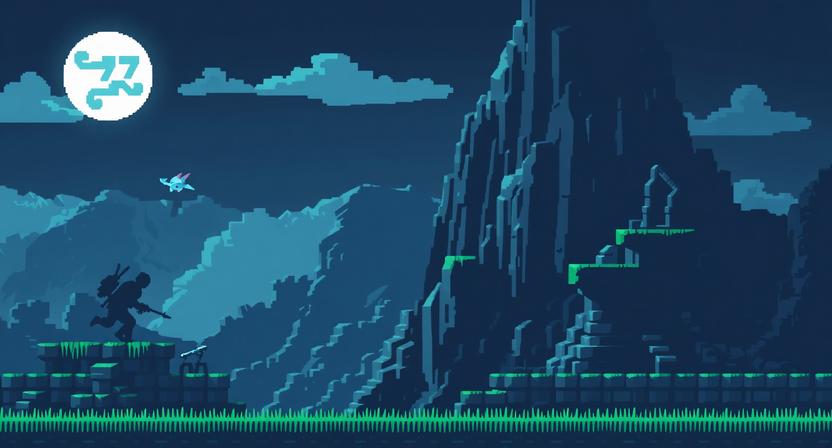
The Quiet Coast strands a handful of strangers on a grey northern shore after the ferry that was meant to take them home simply never comes. There are no monsters here, no infection, no countdown to catastrophe. The threat is winter, and loneliness, and the slow arithmetic of not enough — not enough fuel, not enough hands, not enough light in a day. Tidewater Works has made the rarest thing in the genre: a survival game that is not, at its heart, afraid.
The coast itself is small and known. You will learn every cove and tide-line within the first hours, and the game wants you to, because its drama is domestic, not geographic. A storm is not an event to flee but a problem to prepare for. The sea gives and takes on a schedule you come to read like family. Where other survival games push you ever outward into danger, The Quiet Coast pulls you inward, toward the hearth, toward the few people you have, and asks the genre's least-asked question: not can you survive, but can you keep everyone.

The Systems
Survival here is bookkeeping made humane. You manage warmth, food, rest and morale for a household of named characters, each with a history the game doles out in fragments — a letter found in a coat, a habit at the dinner table, a song one of them hums when frightened. Crucially, the survival systems exist to generate story, not friction. Run low on fuel and the consequence is not a death-spiral of stats but a hard conversation about who sleeps cold tonight, and the game remembers how you answered.
It is a survival game where the thing you are surviving is the slow temptation to stop caring.
The standout system is correspondence. Each character keeps a journal you can read and, occasionally, write in — replying to a letter, recording a meal, marking a death. These entries compound into a genuine sense of a season lived together. By the end we were rationing not just food but attention, choosing which of our people got the good evening and which got the chores, and feeling every one of those choices. There is a quiet, devastating bookkeeping mechanic late in the game that I will not spoil except to say it made the whole household's ledger suddenly, unbearably personal.

Art & Sound
The palette is deliberately drained — greys, sea-greens, the warm orange of a single lit window — and the restraint is the point. When colour does arrive, in a rare clear sunset or the glow of a shared meal, it carries enormous weight. Tidewater Works understands that a humane game must be a beautiful one, and the coast is beautiful in the specific way real cold places are: indifferent, immense, and occasionally, briefly, kind.
The sound design is hushed and exact. Wind, gulls, the creak of a shelter taking weather, and a sparse piano score that arrives only at the chapter breaks. Dialogue is sparing and superbly performed; the silences between lines do as much work as the lines. Play it late at night and The Quiet Coast becomes something close to meditation.
Performance
A game this contained has little to strain hardware, and The Quiet Coast runs beautifully across the board, holding a steady frame rate even through its heaviest storm weather and never once stuttering at a load. The save system is generous and frequent, which matters in a game where a single decision can ripple across a whole season. We encountered no crashes and only one trivial visual bug, a flickering shadow in one shelter, since patched.